Mon-Fri 4:30AM-10:00PM | Sat-Sun 6:00AM-8:00PM

Most people understand by now that sugar, processed snacks, and artificial additives can spark inflammation and unwanted weight gain. What often goes unnoticed is that certain “healthy” foods can do the same thing, quietly causing issues that seem unrelated to diet. Daily spinach smoothies, almond-flour baked goods, and plant-based protein bars sound nutritious, but they can overload the body with natural plant chemicals that don’t always work in harmony with human biology. And when you’re trying to improve strength, mobility, and overall performance in your workouts — whether you’re lifting, cross-training, or taking TRX classes in Vacaville — these hidden toxins can quietly hold you back.
Two of the most problematic are oxalates and lectins. Although they occur naturally in plants, today’s food habits—larger portions, more frequent consumption, and heavy use of processed foods and nut-based products—can push these compounds into harmful territory. Let’s see what these compounds are and how they behave when they enter our systems.
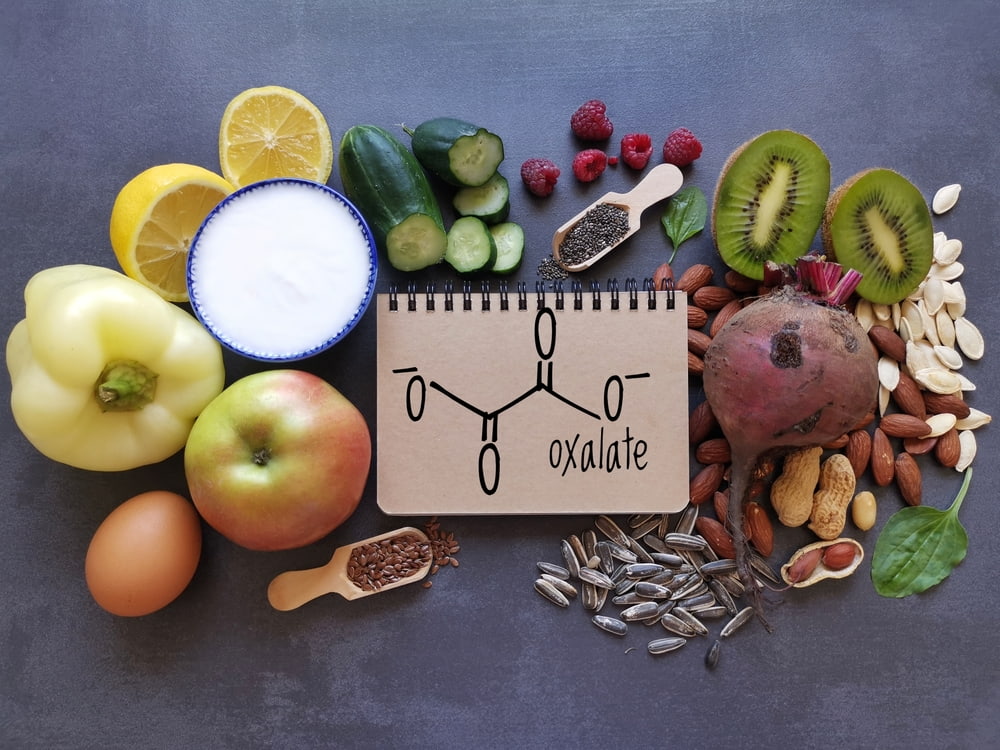
Oxalates are microscopic, highly reactive molecules produced by plants to help with mineral balancing, seed protection, and basic defense. In their raw form, they exist as oxalic acid, an acidic compound that becomes a problem when it binds to minerals like calcium or magnesium. Once attached, these pairs form oxalate salts, structures known for their ability to crystallize.
Inside the human body, these crystals can create a cascade of problems. Oxalates can latch onto essential minerals and escort them out of the body before they’re absorbed, gradually draining your levels of calcium, zinc, iron, and magnesium. They can also irritate tissues they come in contact with, contributing to joint pain, vascular irritation, and inflammation in sensitive organs. For anyone training consistently or increasing protein intake, this matters—high-oxalate foods can derail hydration, strain the kidneys, and interfere with post-workout mineral recovery.
Many everyday foods contain oxalates, but some pack a much bigger punch than people realize. Common high-oxalate items include:
None of these foods is inherently “bad,” but frequent or excessive intake can overwhelm the kidneys and digestive system.

Lectins are carbohydrate-binding proteins concentrated in seeds, grains, legumes, and the nightshade plant family. From a plant-biology perspective, lectins act as a self-protection system, discouraging insects and animals from eating the plant before it has a chance to grow or reproduce.
In the human digestive tract, lectins can bind to the gut lining and stir up irritation. For some individuals, this leads to low-grade inflammation that shows up as bloating, digestive pain, or irregular bowel habits. Lectins can also reduce nutrient availability by interfering with absorption. Although not everyone reacts strongly, estimates suggest that 10–15% of people have some level of lectin sensitivity. And if you’re training hard, lectin-driven inflammation can affect performance, slow muscle recovery, and make it harder to stay consistent with workouts at your local fitness center.
Lectins are especially concentrated in certain plants, and preparation methods can make a big difference. The foods with the most significant lectin content include:
Choosing foods that support gut health is essential, especially when you’re following a structured training plan or working with a personal trainer who understands the link between clean nutrition and high-performance results.
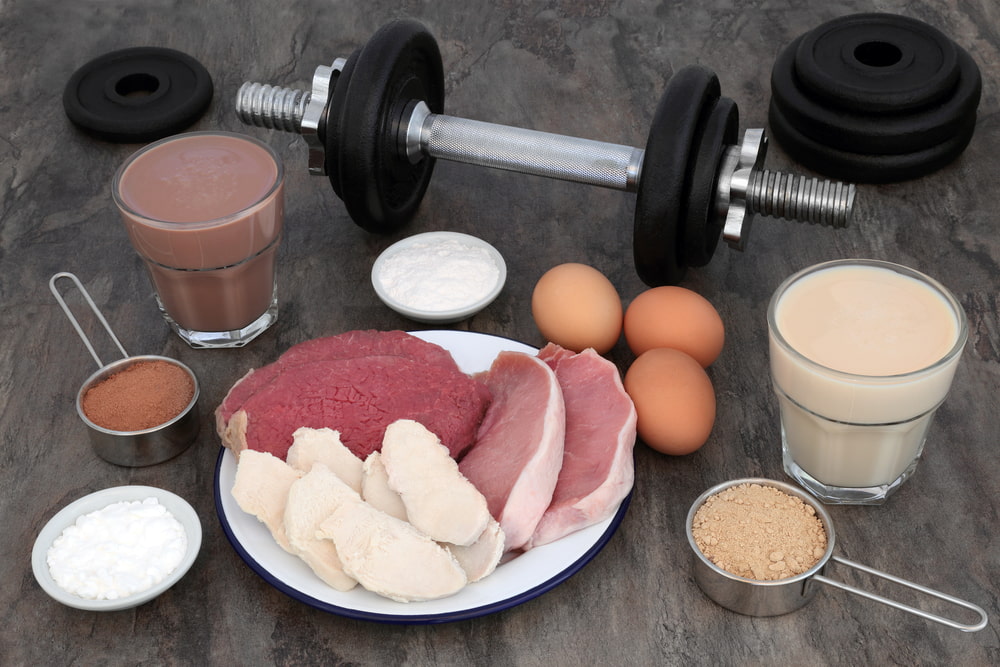
Ready to take the guesswork out of your nutrition and get more out of every workout? No matter which side of I-80 you’re located on, Maximum Fitness is the leading gym and health club in your area. We offer state-of-the-art equipment and some of the best trainers out there who can help you pair the right nutrition with the right training — from strength sessions to TRX classes — so your effort actually pays off.
Whether you’re looking to transition from a modern diet, avoid processed food, inflammation, and fatigue, and achieve hormonal balance through ancestral eating, we can help you build a personalized diet strategy that boosts recovery and supports real, sustainable strength. Book your free fitness consultation today and start training with a plan that is actually tailored for your body!
.png)