Mon-Fri 4:30AM-10:00PM | Sat-Sun 6:00AM-8:00PM

You step on the scale and see the same number you've seen for months. That might seem reassuring, but your weight only tells part of the story. Your body can lose muscle even when the number barely changes, and those changes may affect how easily you manage everyday activities.
This is especially relevant for older adults participating in senior health and wellness programs, where maintaining strength is an important part of staying active.
Muscle changes can be gradual enough to go unnoticed during normal routines. Understanding what the scale leaves out can help you recognize why body composition and physical performance deserve attention during strength training.

Yes. Body weight can stay steady even if muscle mass declines. Changes in body fat or fluid may offset muscle loss, so the number on the scale tells you very little about what actually changed.
Muscle and strength can decline gradually with age, particularly during periods of low physical activity. This age-related loss of muscle mass, associated with sarcopenia, may become noticeable when standing up from a chair or climbing stairs begins to require more effort.
Body composition assessments estimate the proportions of fat, lean tissue, and water. InBody scans offer information that a bathroom scale can't provide, but they aren't exact measurements of muscle. Hydration and recent exercise can affect readings, so a single result is less useful than a series of scans taken under similar conditions. Changes in strength and daily movement give those numbers more context.
Tracking muscle during strength training is useful because improvements aren't always reflected in body weight. For older adults, comparing scan estimates with changes in strength and movement gives a more complete view of how training is going.
Strength often improves before muscle size changes much. As people become familiar with an exercise, their nervous system gets better at coordinating the movement. Someone might handle a heavier resistance band even when a scan suggests little change.
Rather than watching one number, pay attention to:

Strength training becomes easier to judge when you notice its effects outside the gym. Getting up from low chairs requires leg strength, while carrying groceries also challenges your balance as you walk.
Those abilities matter when recovering balance after losing your footing, especially if a quick step is needed to steady yourself. Even thinking and walking at the same time involves coordination that is easy to take for granted until it becomes more difficult.
Regular check-ins provide a chance to compare scan readings with what happens during training. If strength improves while muscle estimates remain similar, the routine may still be working. If a familiar movement becomes harder, it may be time to review the exercises.
In senior living wellness programs, improvements in everyday movement can matter just as much as changes in body composition readings. Sudden weakness or unexplained muscle loss, especially alongside other new symptoms, warrants medical evaluation.
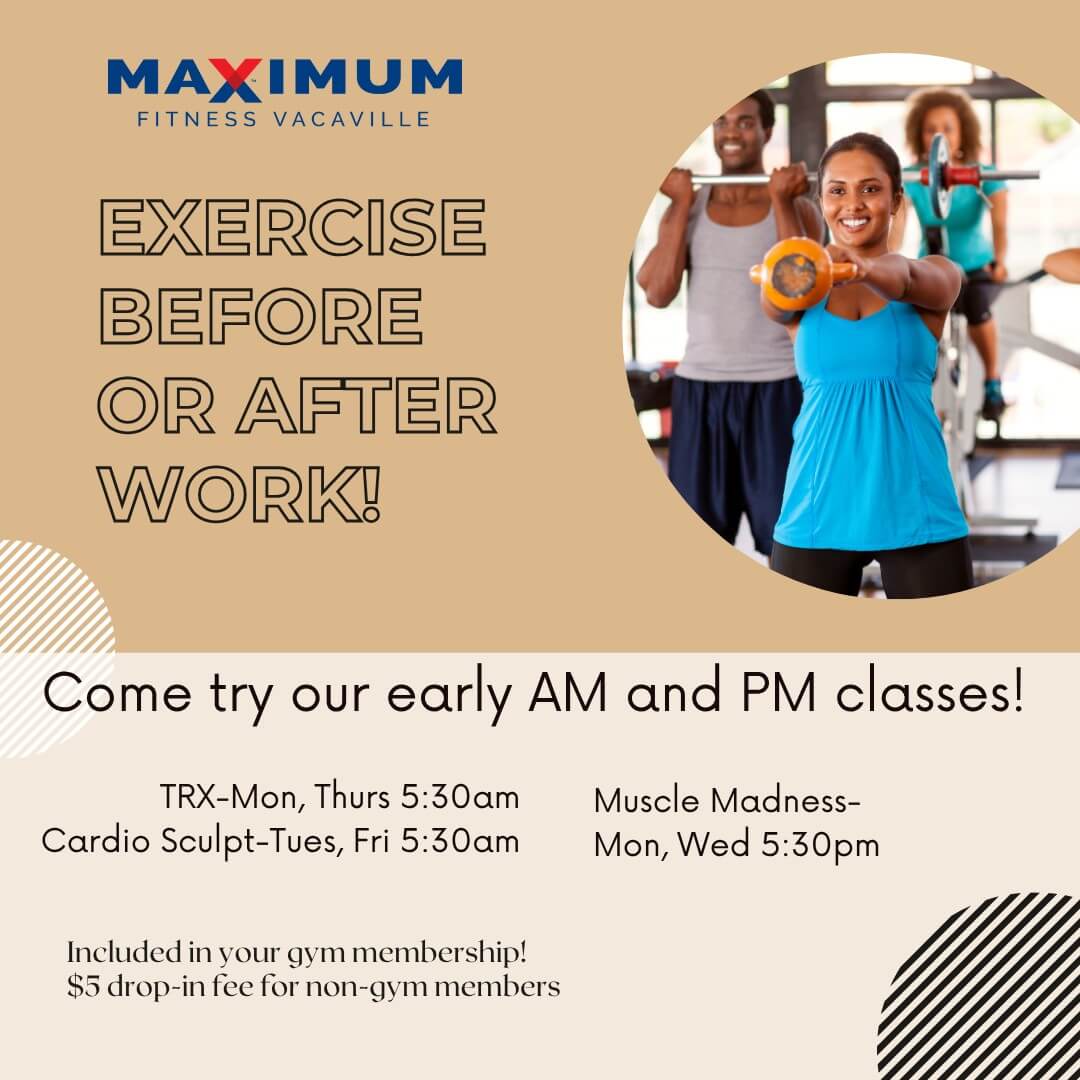
At Maximum Fitness, our Longevity Warriors sessions focus on helping older adults work on strength and balance through guided small-group training. Exercises can be modified for different ability levels, while monthly InBody scans and progress check-ins offer another way to follow changes that may not appear on the scale.
Keeping up with your favorite walk through Peña Adobe Park may matter more to you than seeing a different number on the scale. That's why we encourage looking at progress through everyday movement, not just body weight.
Reach out today and ask about Longevity Warriors classes to find out how to get started.