Mon-Fri 4:30AM-10:00PM | Sat-Sun 6:00AM-8:00PM

Not every child lights up when a game turns into a scoreboard. For homeschool families, the goal can be simple: help young learners move, laugh, and feel included before anyone thinks about winning. With the right setup, physical education for kids in Vacaville can feel welcoming for shy beginners, high-energy movers, and reluctant participants alike.
Activities can stay low-pressure while still giving kids room to practice balance, coordination, teamwork, and focus in a way that feels more like play than a formal workout. Keep reading to see how our play-first routines can turn hesitation into confidence.

The best activities for less competitive children are the ones that offer clear movement without ranking every result. Obstacle courses, follow-the-leader games, rhythm circuits, animal walks, balance challenges, parachute play, and partner toss drills all let young learners participate without feeling judged. These options still build coordination, stamina, and strength, but they shift attention away from who finishes first.
Coaches and parents can also rotate stations so there’s no physical activity for kids that feels awkward for too long. When the environment feels safe, children often become more willing to try games they used to avoid, even if they have different energy levels.
Movement games help because they disguise effort inside creativity. A child who refuses drills may gladly crawl through a tunnel, hop across color spots, pretend to cross lava, or toss beanbags at silly targets. The activity still raises the heart rate and builds control, but the focus becomes imagination instead of performance.
Engaging play lowers the fear of doing something “wrong.” When rules are simple and fun comes first, children are more likely to copy, test, and repeat movements without overthinking. Small wins start to feel natural, and each attempt gives them another reason to keep participating.
Some home learners want fast action, while others need gentle starts. A good workout setup can include jumping stations, balance work, stretching corners, and low-pressure partner tasks so each child finds a pace that feels doable.
Encouragement works best when it notices effort. A simple “you kept trying” can mean more than praise for being the fastest. That support helps children feel brave enough to keep participating.
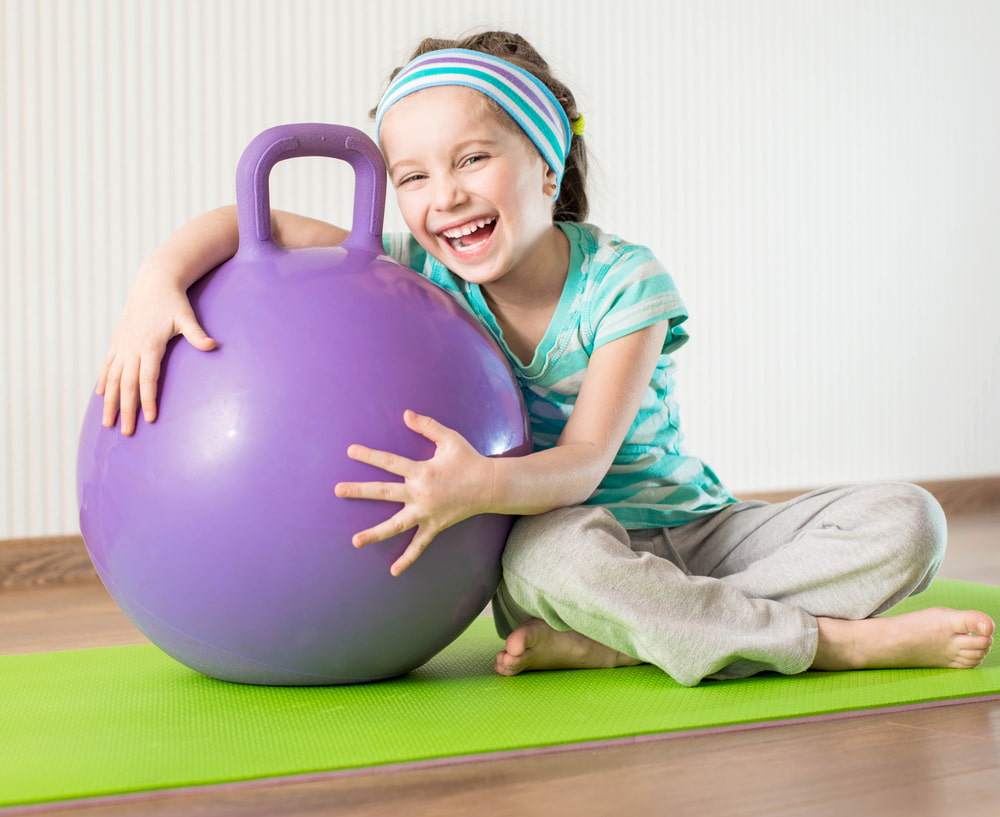
Pressure often appears when parents focus too much on results, such as speed, skill, or comparison. A better approach is to notice consistency, courage, and effort. Parents need clear class-choice priorities. Look for programs that value safety, patience, and confidence as much as conditioning. Over time, that kind of support can help a reluctant child build a healthier relationship with movement.
The right environment should make progress feel approachable instead of intimidating. When children feel seen, encouraged, and supported through small improvements, they’re more likely to stay curious, participate willingly, and begin seeing physical activity as something they can enjoy.
Maximum Fitness gives home learners a welcoming place to build confidence through guided activity, playful challenges, and encouragement from caring coaches. Our sessions are built for families in Vacaville who want more than a basic workout; we help children practice coordination, cooperation, stamina, and self-belief in a setting that feels upbeat instead of overwhelming.
Whether your family spends free time near Andrews Park or prefers an indoor routine, we’re ready to help your child get moving with purpose. Reach out today to learn more and give us a call now.
.png)